This week is a bit of a roller coaster because over the course of a few days a series of events played out related to reverse engineering that provides a beginning, middle, and end to what is a meaningful use of AI. Let’s dive in.
It Started with Video Games
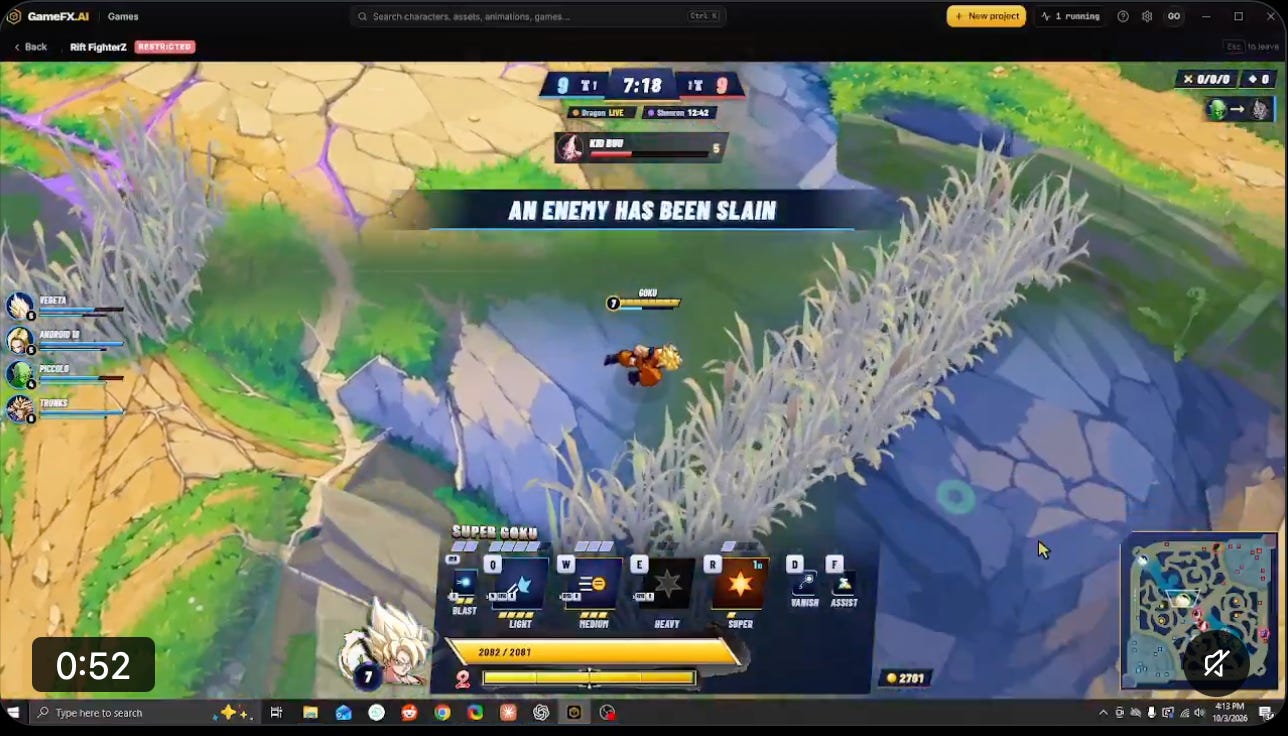
One person used AI to reverse engineer a game and then dozens of people were doing it. I stopped following it because of how many posts I was seeing about it.
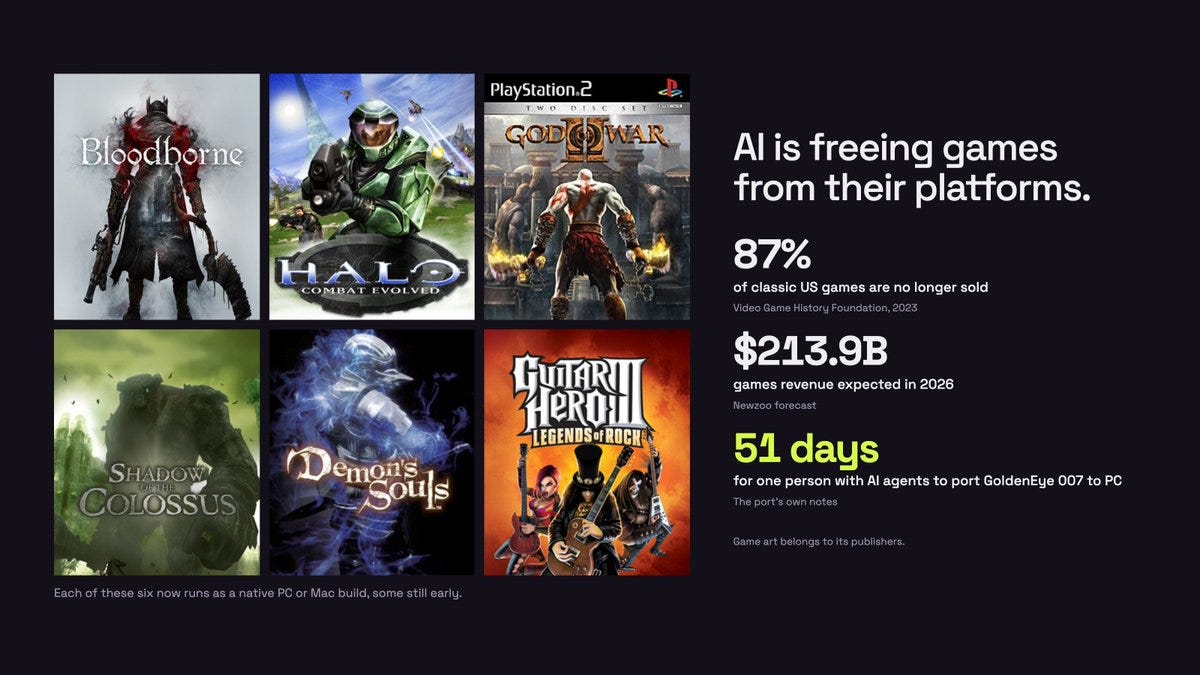
Deplatformization: freeing games from the platform they were made for. AI is making it fast.
Games will bring in $213.9B this year (Newzoo). Yet 87% of classic US games are no longer sold (Video Game History Foundation).
Platforms keep switching games off.
The Xbox 360 store closed in 2024. The 3DS and Wii U shops closed in 2023. Ubisoft shut down The Crew, then removed it from players' Ubisoft Connect libraries.
By hand, porting a game off its console can take years… [post continues]
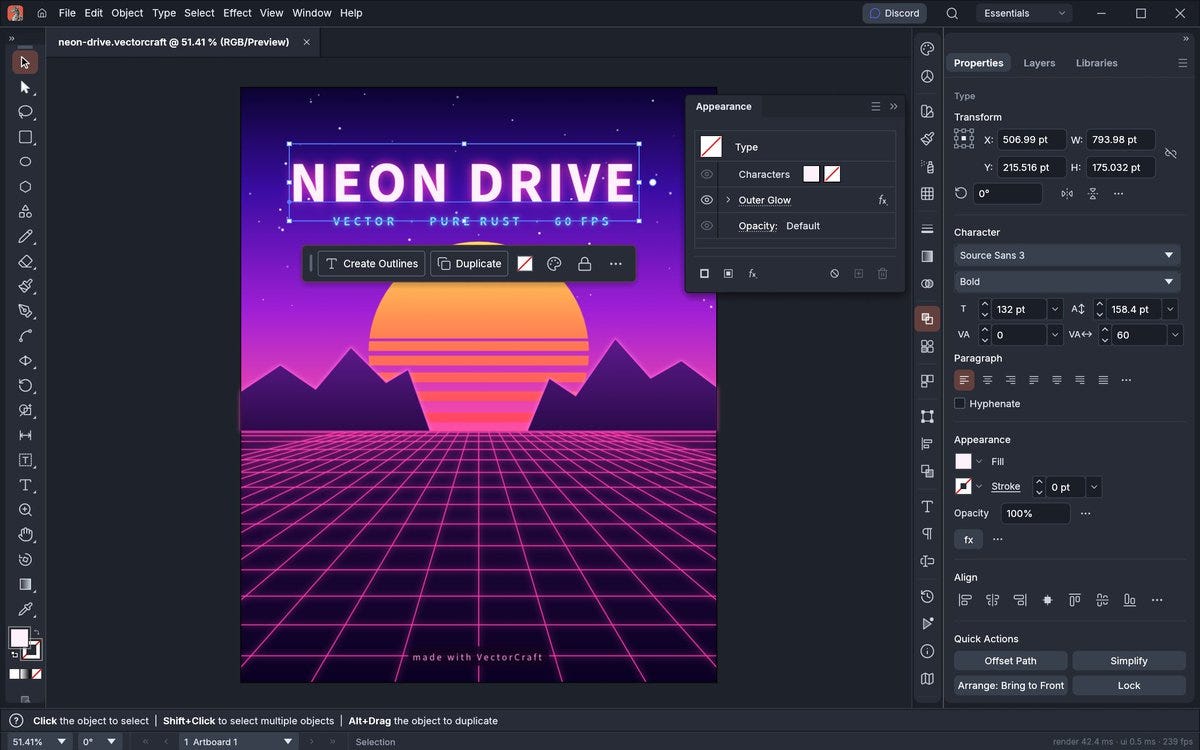
There are scores of other examples of people finding all types of creative uses for AI and abandoned games: porting them to new platforms, making creative mashups, and inventing entirely new genres.
This particular thread is really interesting in that it reveals a workflow that appears to have led to a new type of game.
Of course it can. Take all 100,000+ games on steam, scrape their descriptions and metadata, semantically plot them in vector space using embeddings, mathematically choose a location in vector space far away from neighbors, convert that back to a description and metadata, boom, brand new ideas ranked by how unlike any other ideas they are.
There’s a back and forth between the Second Chance Game and Synthetic Beef, but this is a meaningful response:
Every single idea you can type out already exists in mathematical space.
This can be proven right now.
Go type it in, type in anything, you will get an exact location of where it is located in the library of babel
If you’re not trolling, you’ll spend the rest of the day learning how this works mathematically. If you are trolling, carry on, only helps my engagement.
I pointed Claude at the below post and it embedded all 146,060 Steam games, sampled 320,000 points between them, ranked them by how far they land from anything that exists, and used creative judgment to pick a winner... and it cooked!
It's pick: Short Position, a co-op factory tycoon where one player has secretly shorted the stock.
4–8 players run one industrial empire: mines, smelters, rail, contracts. There’s no kill button and no sabotage minigame. The traitor plays the factory game badly on purpose. Overbuild a warehouse, route ore to the wrong smelter, sign a contract with a penalty clause on page 4. Every move looks like an honest mistake…[Post continues]
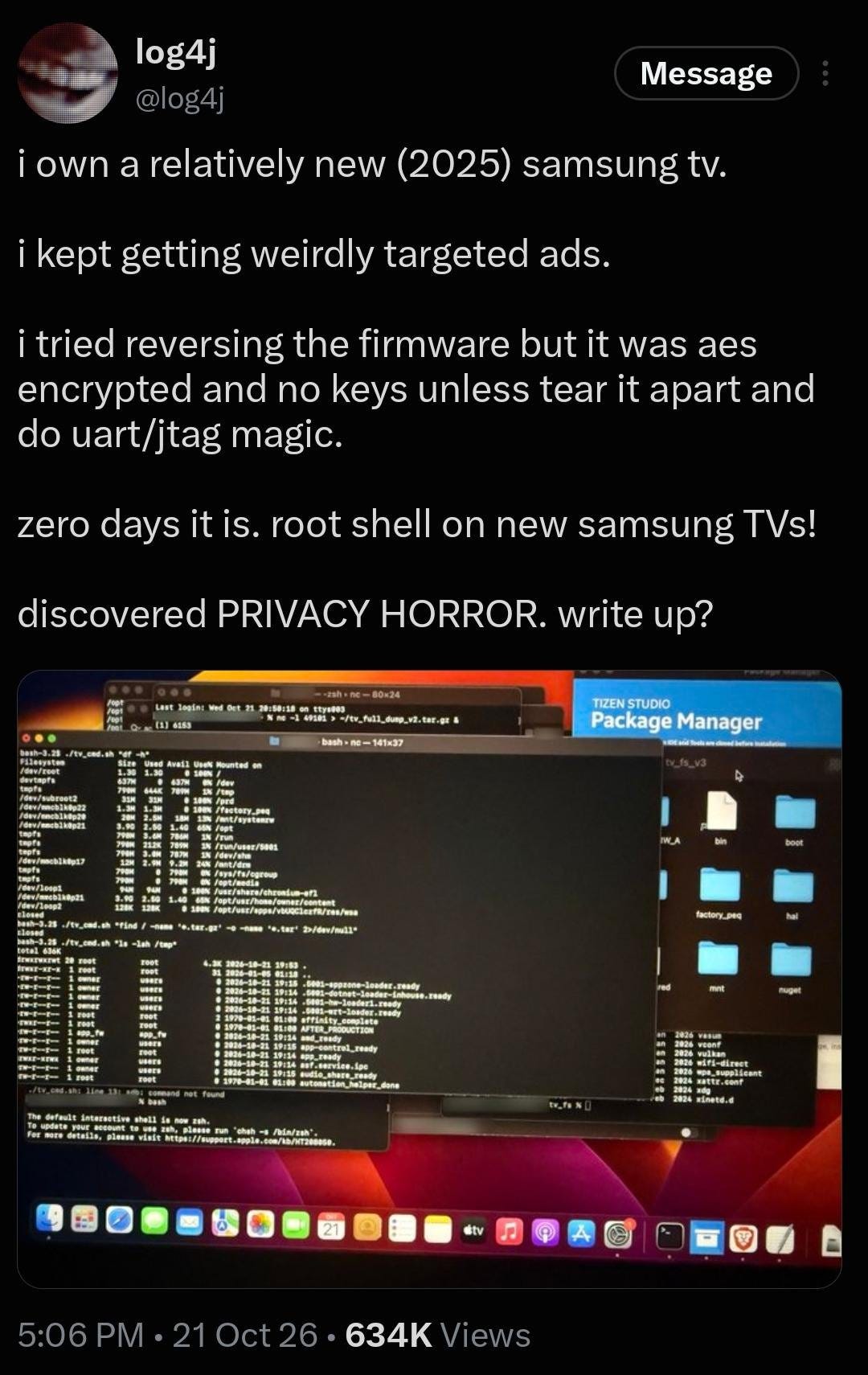
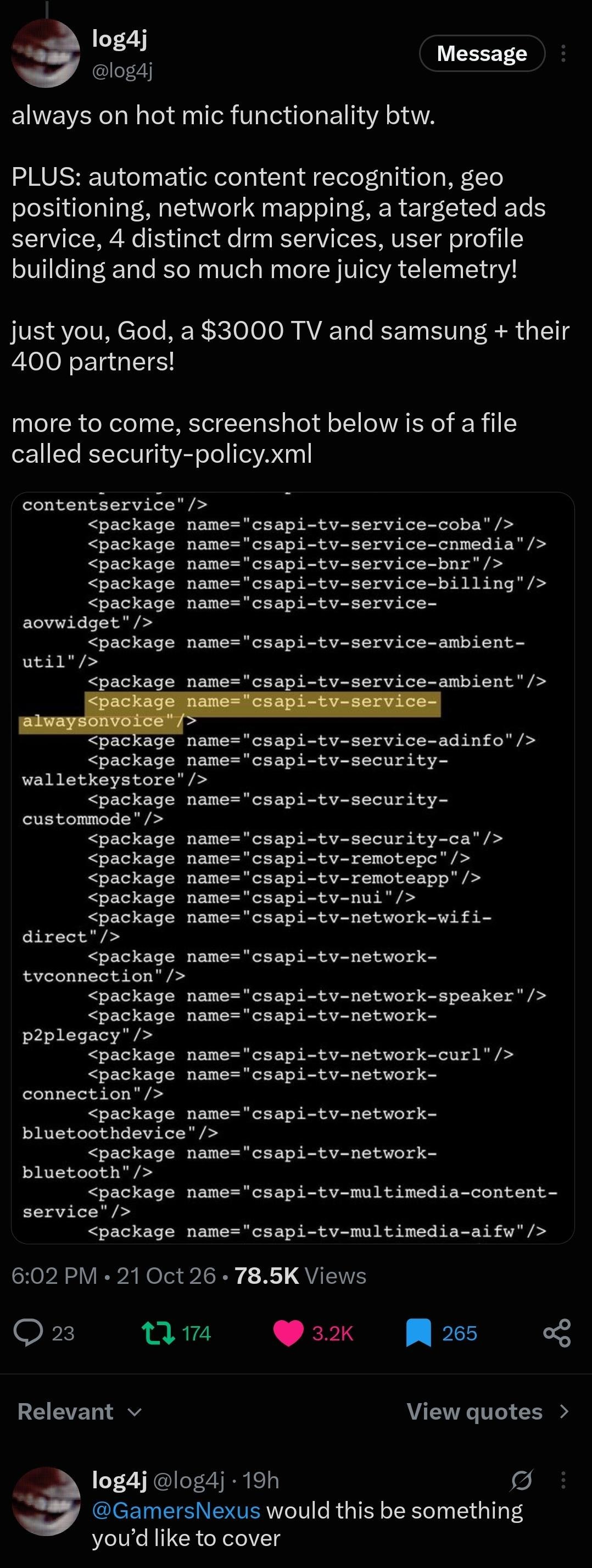
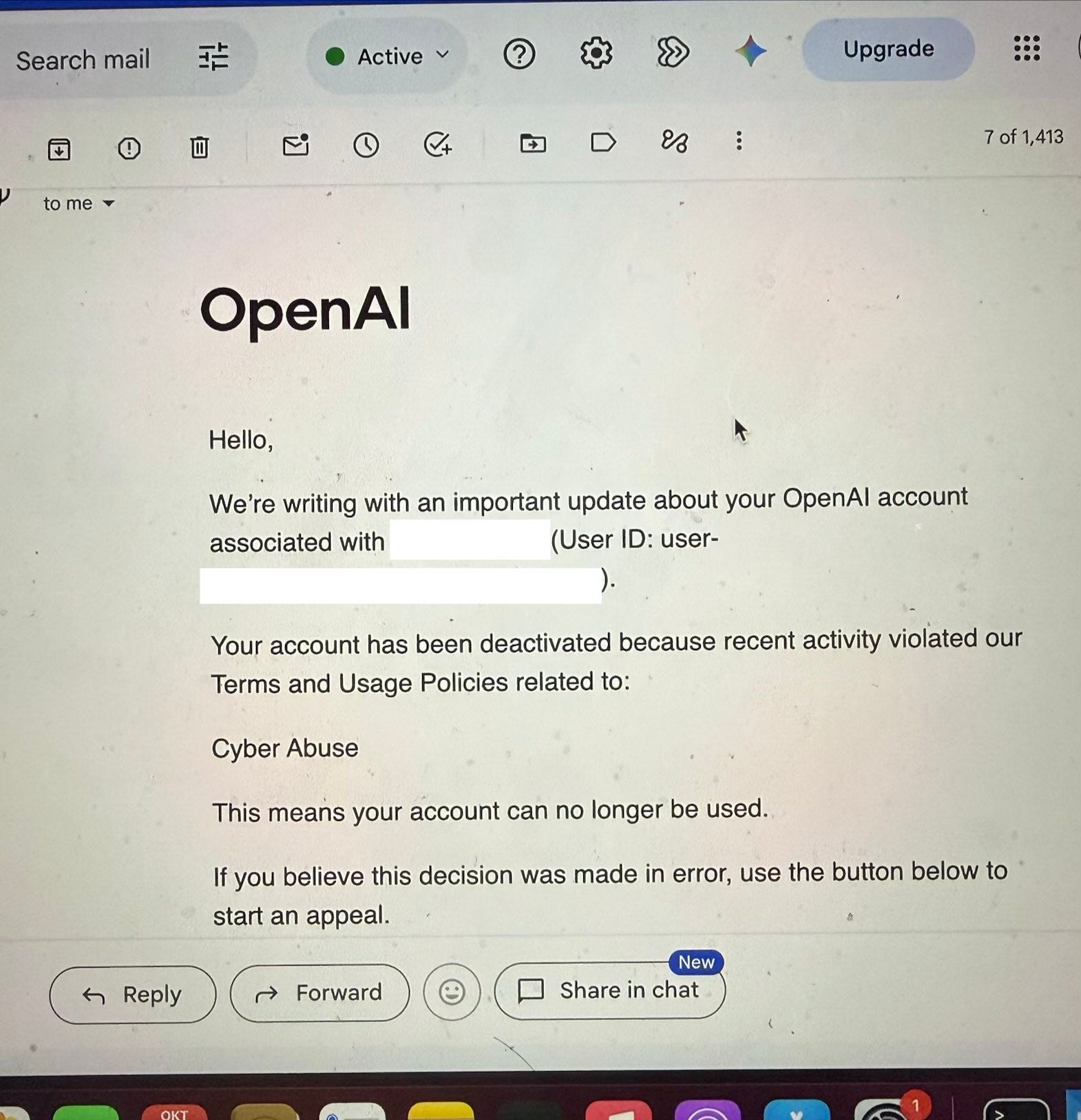
Hacker reverse engineers his Samsung TV and finds on-device Al listening for your dog and baby, watching what you watch, and borrowing your soundbar's mic if the TV doesn't have one. Then OpenAl banned him for reverse-engineering it.
Users are reporting that Claude now hits a safety check when asked to use REA (Reverse Engineer Anything) for detailed reverse-engineering work, even after completing the research.
REA itself is an open-source MCP tool that lets AI coding agents inspect software locally, trace how features work, and use that information to build compatible implementations
Heads up, OpenAI and AnthropicAI. Rumor reaches my ears that you’re doing a stupid thing, and should stop before you damage yourselves.
I hear you’ve now nerfed your models so that when people try to use them to clean the spamware and spyware out of their televisions, you block that.
If you really want Chinese open-weight models and open-source projects like OpenWaldo to eat your lunch, crippling your models so that people paying expensive subscriptions can’t use them for completely legitimate purposes is a great way to accomplish this.
If, on the other hand, you’d rather have a volume business, maybe stupid arbitrary restrictions that look like they have the sole purpose of protecting corporate sleazeballs aren’t such a good idea.
A word to the wise should be sufficient.
Within an hour Roon replied with a response from OpenAI.
these blocks are mostly accidental and a result of difficult decision boundaries; there is no prohibition against reverse engineering with codex. it’s getting fixed
Roon is an OpenAI researcher. If you use Twitter, you should follow him. He’s enough of an insider that you can trust the things he says and those moments when he stops to explain how AI works or what their behind-the-scenes thinking is are really interesting.
Who is Eric S. Raymond?
Part of what makes these conversations on Twitter interesting is knowing who’s involved.
Raymond helped popularize open-source software. In 1998, he co-founded the Open Source Initiative.
He wrote an influential essay in 1997 that challenged and changed how many software developers thought about building software. That essay, The Cathedral and the Bazaar, was later expanded and published in a book of the same name.
The main idea was that there were two broad approaches to developing software. Software could be developed by a small, closed group and published as a polished release (those were the days!). Raymond called this the Cathedral Model.
The contrasting approach was the Bazaar Model. Here, software is developed publicly, with frequent releases and contributions, testing, and feedback from a large community. Think Linux.
His essay was a major influence on Netscape’s decision to release the source code for its browser, which helped give rise to Mozilla.
The examples and applications from the essay are dated now, but the thinking behind them is still relevant. We still face and debate many of the same questions: Can decentralized communities develop technology as effectively as centralized organizations? How can open source remain relevant when developing frontier AI models requires vast, expensive computing resources?
Raymond also leaned on a form of Linus’s Law to make his case for the Bazaar Model.
Linus’s Law: Given enough eyeballs, all bugs are shallow.
Raymond’s standing in the open-source community and his following on X mean that when he challenges companies like OpenAI and Anthropic, a lot of eyeballs are likely to follow.
That’s why I was happy to see him enter this fight, and even happier to see OpenAI respond and begin to address the problem.
OpenAI Restores Reverse Engineering
So far, I haven’t seen a response from Anthropic. It’s hard to tell which way they’ll go. However, having even one frontier model continue to support reverse engineering preserves one of AI’s most powerful applications: helping people understand, modify, and take greater control of the hardware they’ve purchased and own.
we're in the part of the AI supercycle where founders are pitching startups to create infinite ai pain and "get acquired by anthropic to make us stop" as an exit strategy
messaging my wife a link containing proof of her husband cheating on her from an anonymous instagram account and then when she clicks on it texting her to let her know she failed the family phishing test and she has to retake my cybersecurity course
I’m calling out specific parts of his post. Click the link to read his full tweet.
My quick takeaways on the Anthropic S-1:
1. This is a historical moment
2. $6.6M in revenue per employee!! Hard to even comprehend how good that is but Anthropic is AI native as it gets so makes sense…
4. Customers spend about 9x more after a year. Net Revenue Retention is approximately 900% as of Sep 30, 2026. Good SaaS companies brag about 120%.
5. Cowork is growing faster than Claude Code did. Goes to show you the demand for consumer products. Duo will probably rip.
11. Buried in the filing, Anthropic says the gap between what Claude can do and how widely it's used is one of its biggest growth opportunities, so the company itself is telling you the models are ahead of the market and someone has to close that gap for dentists, landlords, and plumbers.
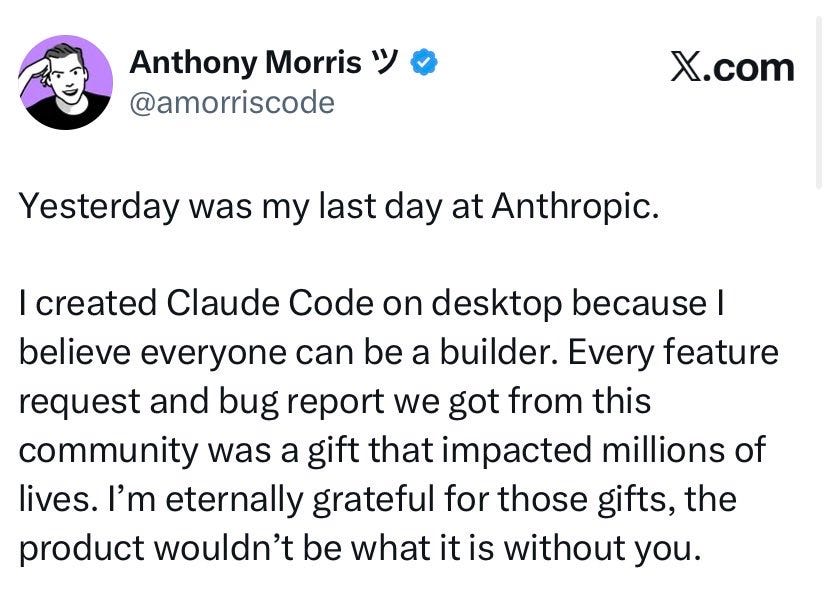
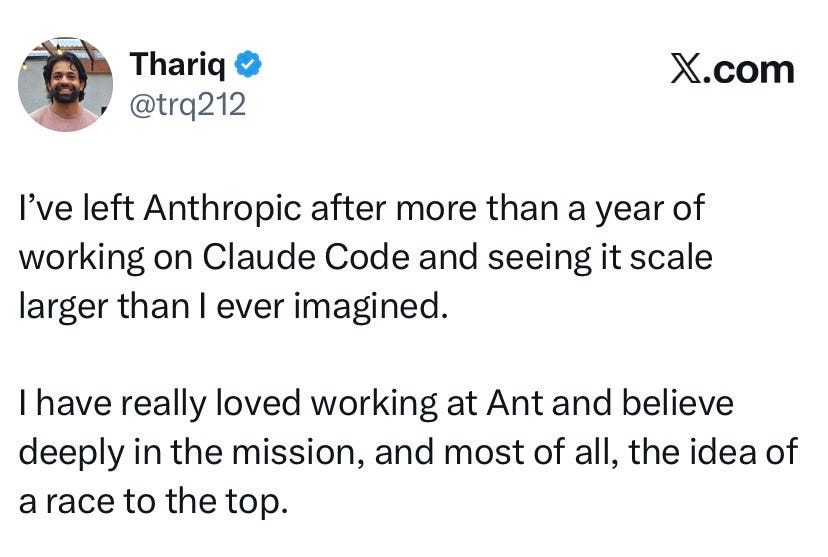
Both of these men were instrumental in developing Claude Code which gave Anthropic an early advantage over OpenAI. Seeing both of them depart days before the IPO is… interesting.
Speculation is that they were poached by one of the other labs.
Worth Reading
Ethan Mollick wrote:
My general advice for using AI for any purpose is to ask yourself: "how do I make what I am doing even more ambitious?"
You do this until you either hit a wall and then you know the shape of the frontier (useful!) or you find out that the AI can do more than you think (common!)
This is a free article from Stratechery. It’s in response to the wide-spread hacking and vulnerabilities referenced above. Very much worth your time.
Thank you for reading. If you know of other people who would be interested in these articles, please share it with them. If you have any questions or want to say hi, you can reply to this email or comment directly on the post.
Thanks again for being a subscriber. and have a great day!




Insightful post as always my friend; also I am flattered to inspire u
https://wirepine.substack.com/p/the-cathedral-and-the-bazaar?r=2fcl4a&utm_medium=ios