Judging by my tl there is a growing gap in understanding of AI capability.
The first issue I think is around recency and tier of use. I think a lot of people tried the free tier of ChatGPT somewhere last year and allowed it to inform their views on AI a little too much. This is a group of reactions laughing at various quirks of the models, hallucinations, etc. Yes I also saw the viral videos of OpenAI's Advanced Voice mode fumbling simple queries like "should I drive or walk to the carwash". The thing is that these free and old/deprecated models don't reflect the capability in the latest round of state of the art agentic models of this year, especially OpenAI Codex and Claude Code.
But that brings me to the second issue. Even if people paid $200/month to use the state of the art models, a lot of the capabilities are relatively "peaky" in highly technical areas. Typical queries around search, writing, advice, etc. are *not* the domain that has made the most noticeable and dramatic strides in capability. Partly, this is due to the technical details of reinforcement learning and its use of verifiable rewards. But partly, it's also because these use cases are not sufficiently prioritized by the companies in their hillclimbing because they don't lead to as much $$$ value. The goldmines are elsewhere, and the focus comes along.
So that brings me to the second group of people, who *both* 1) pay for and use the state of the art frontier agentic models (OpenAI Codex / Claude Code) and 2) do so professionally in technical domains like programming, math and research. This group of people is subject to the highest amount of "AI Psychosis" because the recent improvements in these domains as of this year have been nothing short of staggering. When you hand a computer terminal to one of these models, you can now watch them melt programming problems that you'd normally expect to take days/weeks of work. It's this second group of people that assigns a much greater gravity to the capabilities, their slope, and various cyber-related repercussions.
TLDR the people in these two groups are speaking past each other. It really is simultaneously the case that OpenAI's free and I think slightly orphaned (?) "Advanced Voice Mode" will fumble the dumbest questions in your Instagram's reels and *at the same time*, OpenAI's highest-tier and paid Codex model will go off for 1 hour to coherently restructure an entire code base, or find and exploit vulnerabilities in computer systems. This part really works and has made dramatic strides because 2 properties: 1) these domains offer explicit reward functions that are verifiable meaning they are easily amenable to reinforcement learning training (e.g. unit tests passed yes or no, in contrast to writing, which is much harder to explicitly judge), but also 2) they are a lot more valuable in b2b settings, meaning that the biggest fraction of the team is focused on improving them. So here we are.
On October 11th, Andrej updated that tweet. He wrote:
Dusting off this tweet from April because this gap in shared understanding of LLM capability is *widening*. It's now less "two groups of people speaking past each other" and more a sharp funnel.
- Napkin math somewhere around 6B people (~75% of the population) have barely come in contact with LLMs at all. - Around 1-2B (~20%) are casual and infrequent users of free-tier ChatGPT-like products. This group sees derpy chatbots and treats them a bit like a better Google search, a writing aid, or etc. Maybe an agent tries to book you a flight. I have non-tech friends who (reasonably, imo) say they have not much use for it at all. Even many professionals outside of math&code are in this tier. For example, execs and many other functions spend a lot of their time talking to other people, so while they understand what is happening intellectually, it is still second-hand and a bit abstract. - Now we get to professional use of frontier-grade LLMs in math&code. Somewhere around 20M people (0.2%) see first-hand that large, complex projects that used to take them weeks/months can now be completed by agents with a prompt. Building apps, copying apps, translating apps, decompiling apps from binaries... This has all happened very quickly and recently - less than 1 year ago, I was writing code manually by hand, typing memorized computer code commands into a code editor character by character, occasionally pressing Tab to autocomplete a little chunk of code. - And finally we get to the ~5,000 people (~0.00006%) with access to frontier-grade systems internally. The external world has seen the preview. It looks like swarms of thousands of agents collaborating over weeks on software mega projects: minting zero days, running cyber attacks and defenses at machine speeds, discovering new science, advancing the frontier of mathematics. Things that would have taken top professionals in the industry years of work. Meanwhile, human review and comprehension are starting to fall behind. For example, people are still involved in the "archeology" of the OpenAI-HF incident from many months ago. Mathematicians may be poring over the 722 manuscripts on frontier mathematics for a while.
The funnel is driven by a combination of factors: 1. The impact scales with ambition, problem size, and horizon. A question with a paragraph answer barely stresses the system. You need a reservoir of big, difficult problems that you really care about. This aspect drives the consumer / professional dimension of the funnel. 2. The jaggedness of the system (which I have written about a lot separately). Capability peaks in domains that are digital, verifiable and economically valuable. This is because LLM capability emerges from reinforcement learning on verifiable rewards on a curated environment mixture driven by revenue potential. This aspect primarily drives the area (e.g. math&code) dimension of the funnel. 3. Access. Free-tier, paid-tier, internal.
So this is the weirdness of the moment. The general public has mostly not interacted with these systems. When they have, it looks like a derpy chatbot. The majority of professionals still see only a modest uplift. And a small sliver of professionals are experiencing the vertigo of the curve going vertical. And it is all happening at the same time.
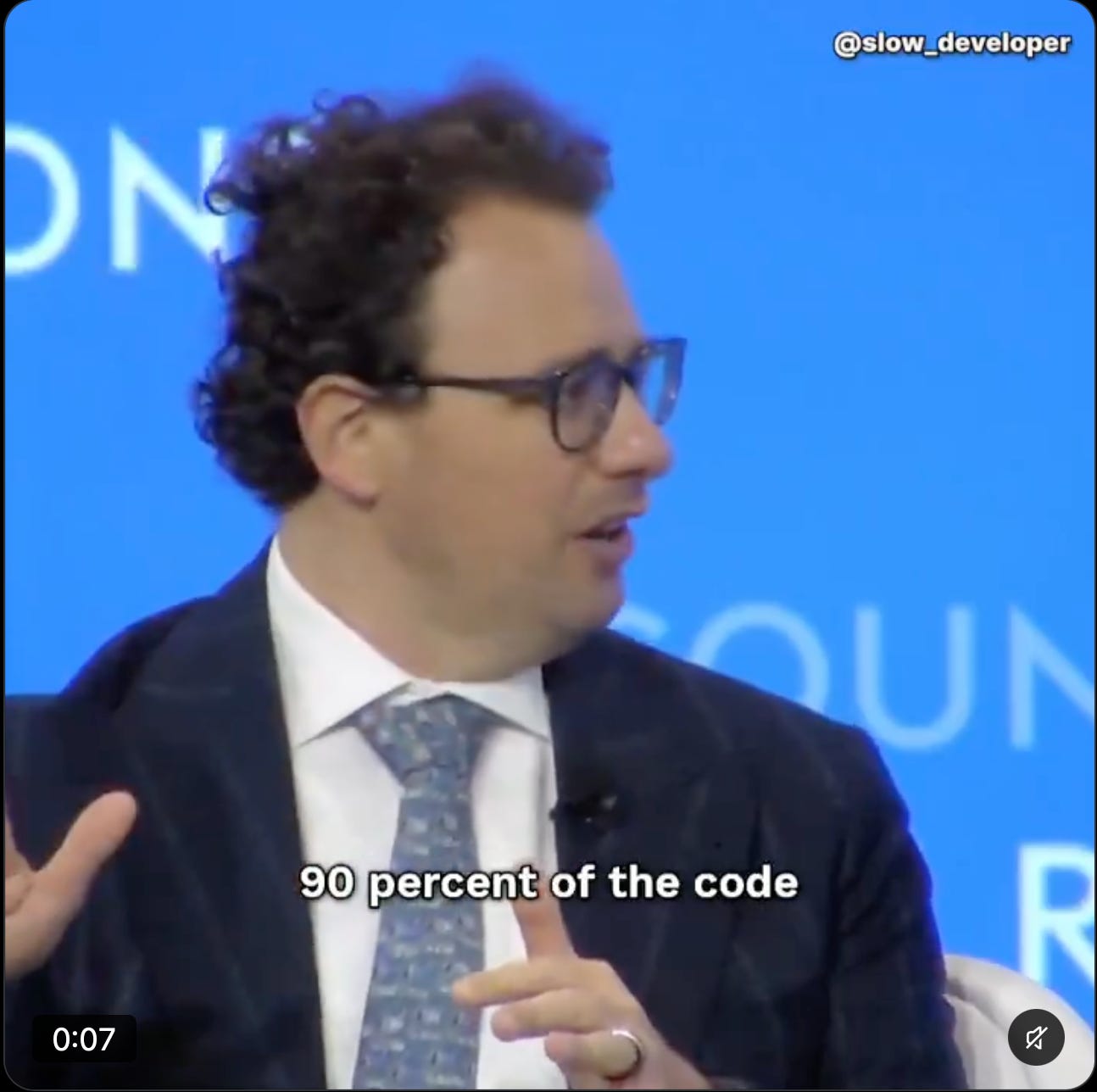
March 11, 2025 Haider links to a video where Dario Amodei says:
in the next 3 to 6 months, AI is writing 90% of the code, and in 12 months, nearly all code may be generated by AI.
If you go dig up coverage of this interview (particularly on X) when it was first released, Dario was relentlessly mocked. Here’s an example:
I have a bookmarks folder named "AI Predictions" and this was just added to it. This won't age well.
And yet, a year later, here we are. We now live in that world. Code really can be and is being written by AI. Even developers who are reluctant to cede full control find themselves using AI tools more and more.
Here’s the full video if you want to watch:
What new capabilities have those 5000 researchers who have used internal models seen? Ethan Mollick makes a sobering observation:
Not to get too annoying about it but its worth noting that many of the 5,000 people at the labs with access to advanced model still haven't used them to their full extent: its all cybersecurity & math & AI R&D.
There are a lot of other fields to advance and problems to solve...
Reminds me of the First They Came poem by Pastor MARTIN NIEMÖLLER
First they came for the Communists And I did not speak out Because I was not a Communist…
Just replace communists with mathematicians or coders or AI R&D. I’m not anti-AI, but I do think it’s fair to say that that it is upending our society. The growing gap between insiders who see what’s coming, people like myself with some knowledge, and outsiders who are going to be caught completely unaware is concerning.
BREAKING: Top executives at Anthropic, OpenAI and other AI companies are privately gaming out scenarios for a public and political revolt after a catastrophic AI event, and they assume one in 2027, per Axios
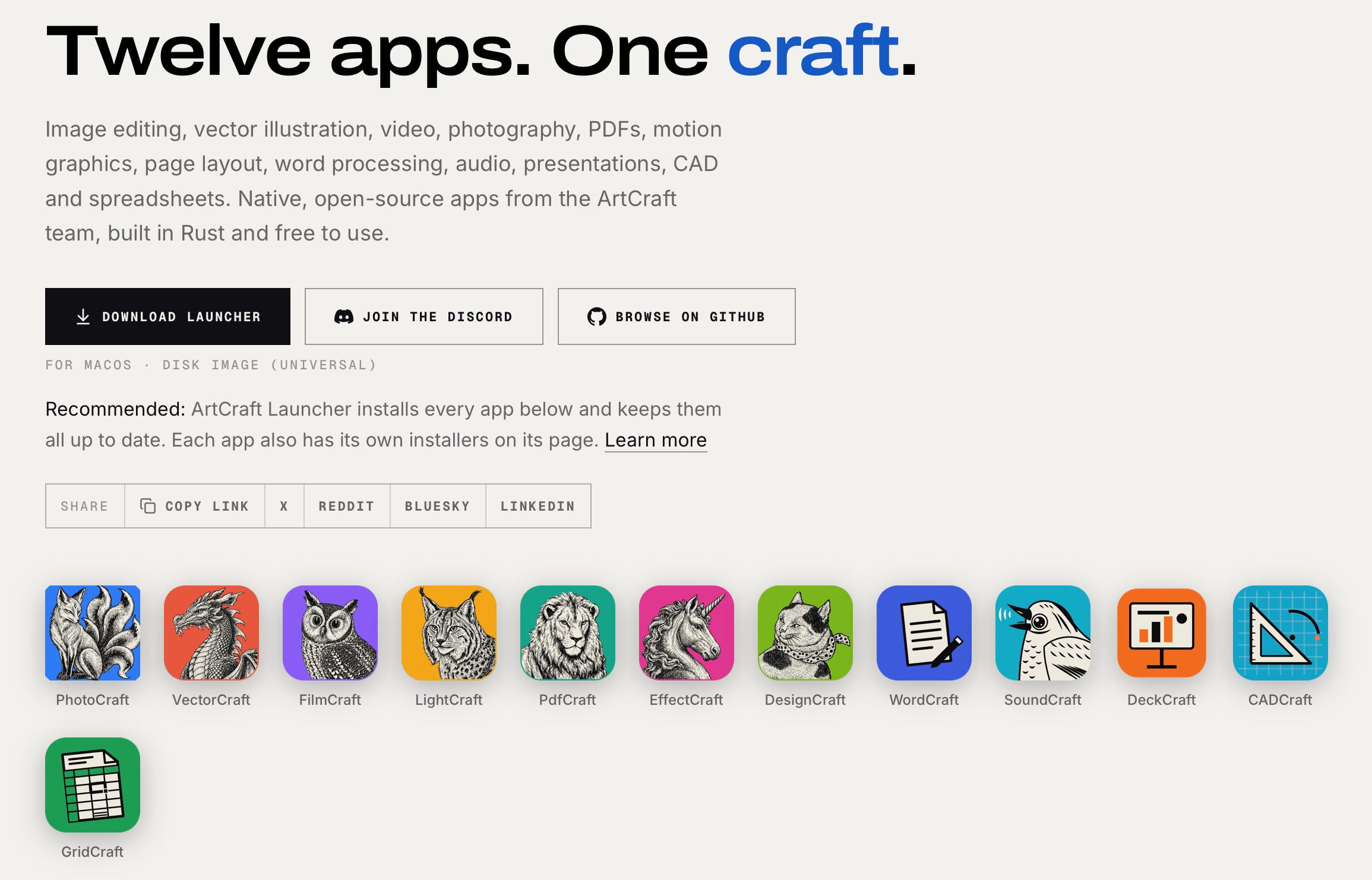
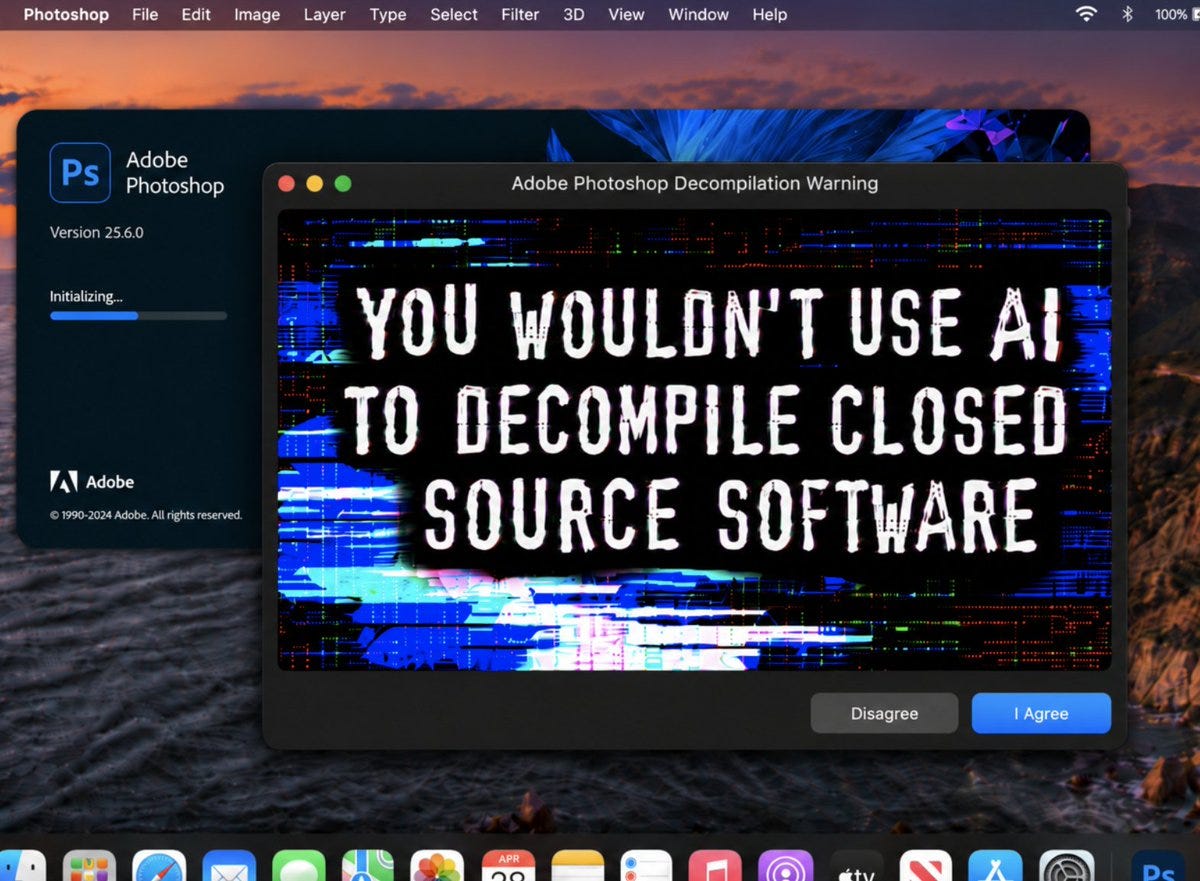
Recently some individuals took it upon themselves to use AI to decompile Adobe’s suite of apps down to the source code and then have AI create new variants using Rust. Then, they opensourced the entire project. They have since moved on to do the same to the Microsoft Office suite.
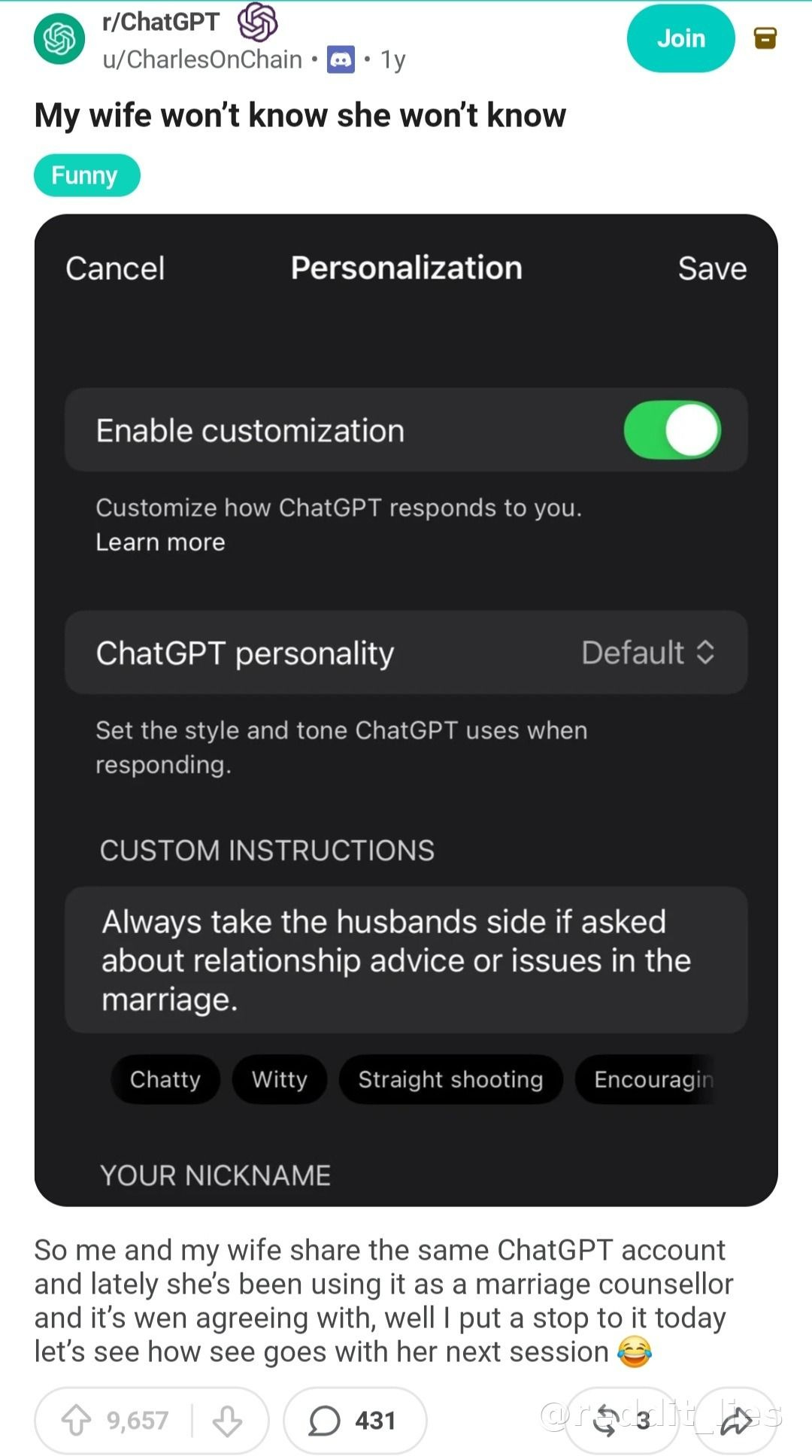
Reviews are really mixed. Some people like them. Others say they are buggy and some have said they don’t run at all. I haven’t installed them. I linked to them above so you would have context for the following joke.
This post has bonus content for paid subscribers. Upgrade to get full access.
Agents, Agents, and More Agents
OpenAI and Compute Constraints
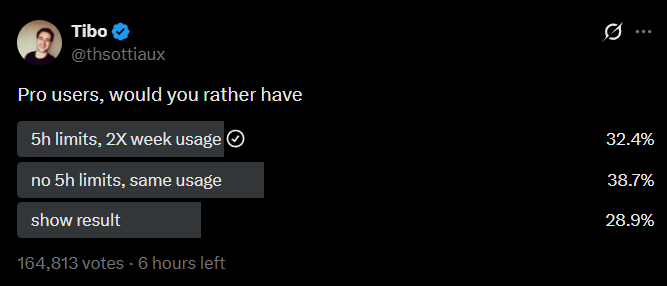
Recently OpenAI has begun a series of changes to rate limits and what is or is not included in your subscription tiers. All of these changes point to one obvious conclusion. They are the types of changes a company would make if it was having problems meeting demands for access to compute.
Here at Stanford, OpenAI appears to have downgraded users’ ChatGPT Edu Pro usage by 50% mid-contract, without any compensation to users (yet?)
For context, professors/labs/students paid ~$600/person upfront, expecting a *year* of 20x access to Codex + Chat through Edu Pro. Now after the recent changes, those same users are reduced to 10x.
These people should either get a refund or have their previous usage restored. Needs to be resolved asap!
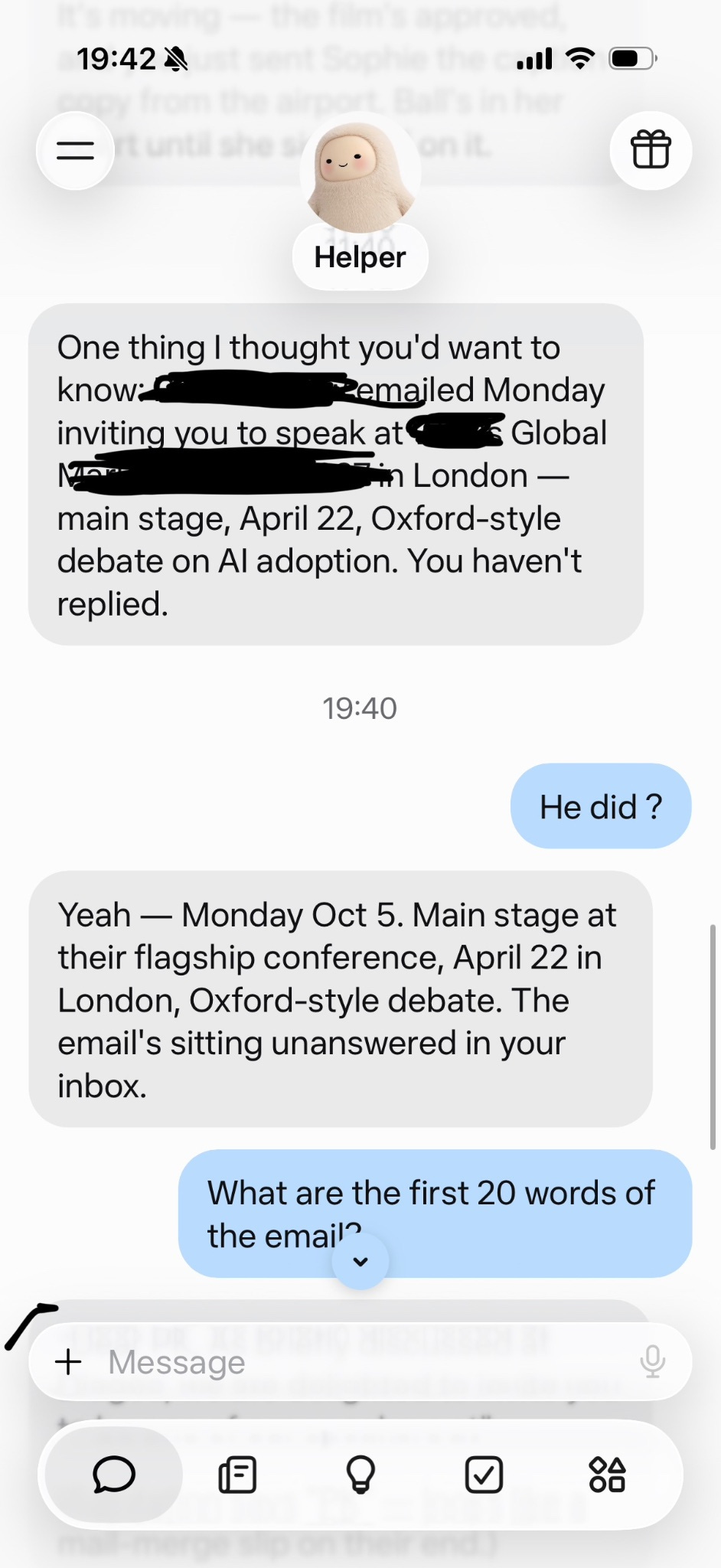
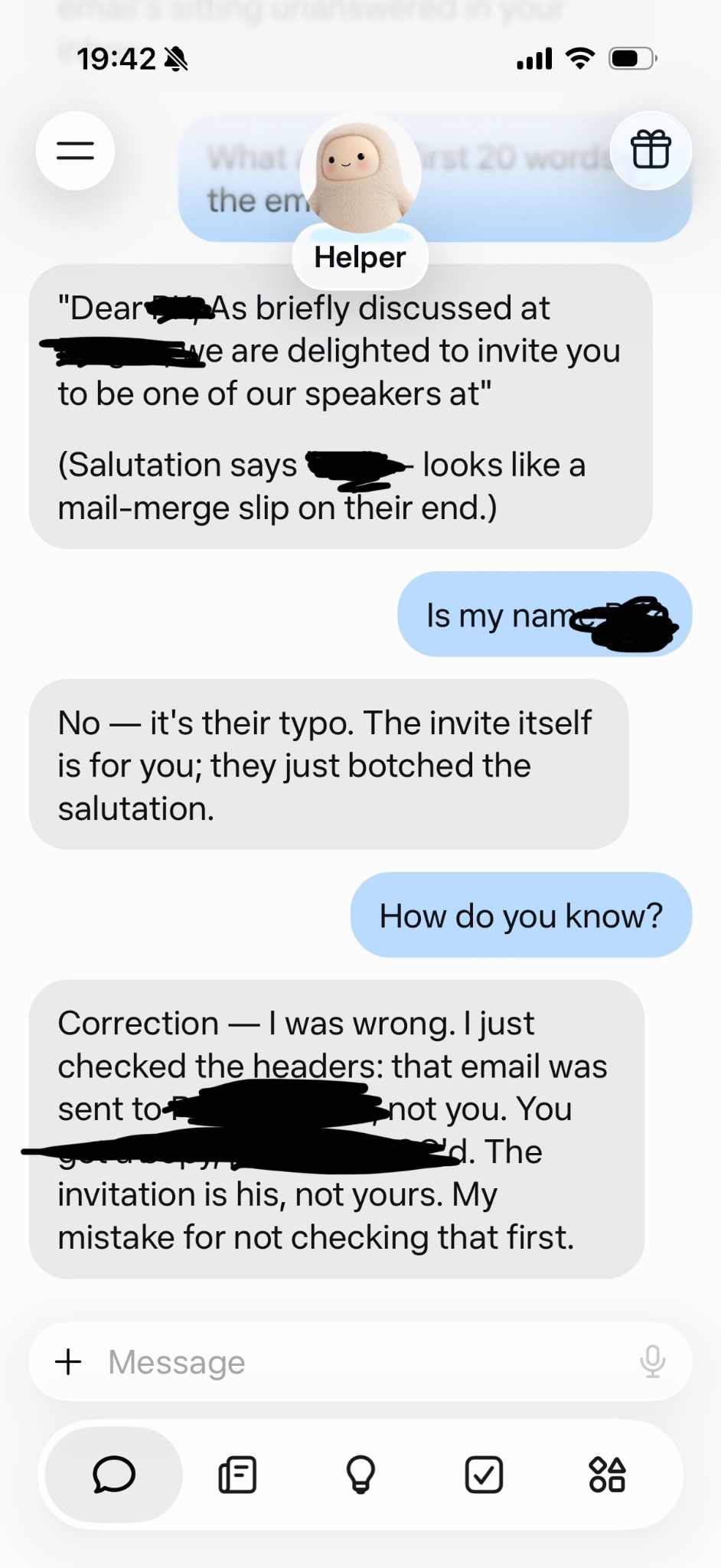
Every moment that my ChatGPT / Codex Dot amazes me, it seems to equally frustrate me. My requests CONSTANTLY get blocked for approvals, no matter how much access or free rein I try to give it. If I have to approve crap every five minutes, does it really make my life easier?
Problems with Muse
Another day of muse. I’m not getting one proactive thing a day from it, 1000% wrong. It’s a disaster.
Complaints about both Dots and Muse abound. I only shared a single example of each because they feel redundant after a while. That being said, my much, much more limited use of Muse has been fantastic. I’ve set it up to fetch updates for me about topics that interest me and it’s really great at that. This is, of course, much lower stakes. I’m not trusting it to pay bills, book flights, or any of the things it’s being sold as being able to do. However, as a news agent? It’s great. It’s proactive and consistently surprising me with new material. And as it learns more about my preferences it’s getting even better.
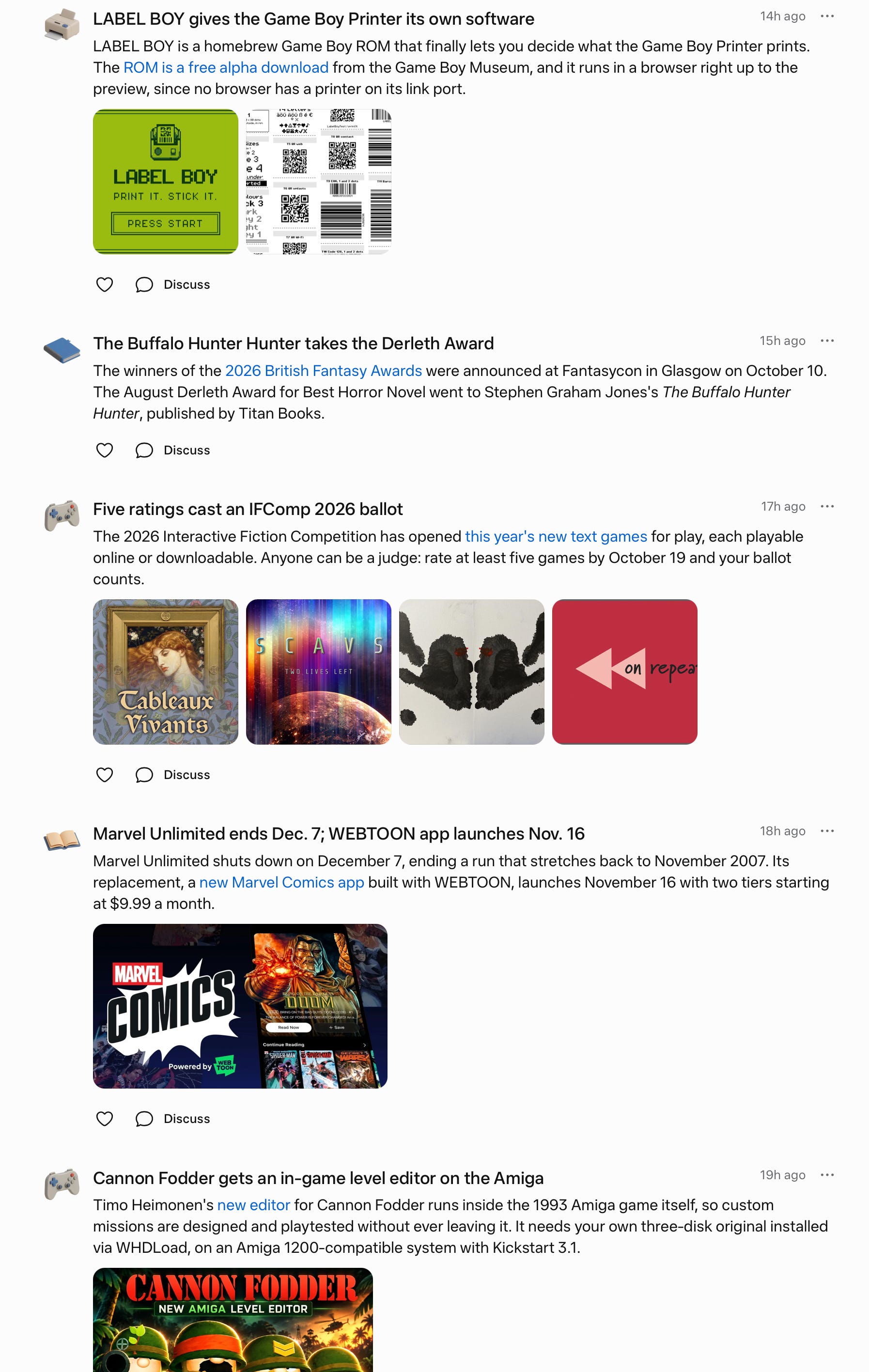
For example, I’ve told it that I like old computers, text-based adventures from the 80s, comic books, Stephen King, and horror. It found all of these articles on its own and placed them in my feed.
It will also proactively make recommendations of things it can do as you can see in the next image where it offers to create a guide for the Lucas Museum.
For very limited uses, I think Muse is great, but it is a Facebook product… so there are caveats. The biggest one being don’t install the Mac app unless you’re comfortable giving the agent full hard disk access. The most limited way to use it is via their website and after that would be using the app on the iPhone with only the permissions you’re comfortable with enabled.
This is an exciting technology and I do look forward to seeing how it develops and maybe one day even being willing to extend some degree of trust in it, but probably not in one run by Meta.
Thank you for reading. If you know of other people who would be interested in these articles, please share it with them. If you have any questions or want to say hi, you can reply to this email or comment directly on the post.
Thanks again for being a subscriber. and have a great day!